


Karachi summers put constant pressure on rooftops, and most buildings absorb far more heat than they should. A thermocol sheet installed under the roof is one of the simplest ways to reduce that heat, lower cooling costs, and keep indoor spaces livable during the hottest months. This guide covers what a thermocol sheet actually is, how it works for roof insulation, and what to look for when choosing one for your home, warehouse, or factory in Karachi.
Thermocol, also known as Expandable Polystyrene or thermosole, is a lightweight closed cell foam material that has been used for insulation and packaging in Pakistan for decades. It goes by different names depending on the region, but thermocol sheet, thermopore sheet, and Expandable Polystyrene sheet all refer to the same core material.
Why Roof Insulation in Karachi Needs Thermocol Sheets
A thermocol sheet placed beneath roofing material blocks a large portion of the heat that would otherwise pass straight into the building below. Instead of the ceiling absorbing direct heat all day, the thermocol sheet acts as a barrier, slowing down heat transfer and keeping the space underneath noticeably cooler.
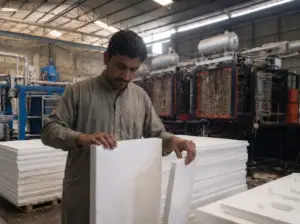
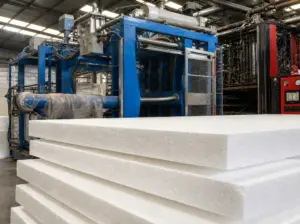
This matters more in Karachi than in most cities in Pakistan. The combination of intense sun exposure and long summer months means uninsulated roofs can push indoor temperatures several degrees higher than they need to be, forcing air conditioning units to work harder and driving up electricity bills. A properly installed thermocol sheet reduces that load significantly, which is why more homeowners, builders, and factory owners across Karachi are turning to thermocol sheet insulation instead of relying on cooling systems alone to manage the heat.
Thermocol sheets are also lightweight and easy to install compared to many other insulation materials, which keeps labor costs down and speeds up construction timelines. Builders working on both residential and commercial projects in Karachi often prefer thermocol sheets for exactly this reason, alongside their strong thermal performance.
A good thermocol sheet does not just block heat, it protects the long term structure of the roof by reducing thermal stress on the materials underneath.
Beyond roofs, thermocol sheets are also used in wall cavities and cold storage panels, though roof insulation remains the most common application in residential and small commercial buildings across Karachi.
Choosing the Right Thermocol Sheet Density
Not every thermocol sheet is built the same. Density plays a major role in how well a sheet performs and how much weight it can support.
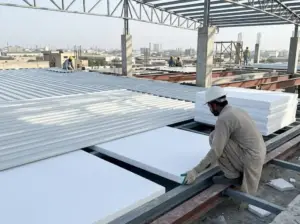
Higher density thermocol sheets offer stronger insulation and better structural support for roofing applications.
Lower density thermocol sheets are lighter and more affordable, making them suitable for basic insulation needs where structural load is not a major concern. Higher density sheets cost more but hold up better under weight and provide stronger insulation performance, which makes them a better fit for commercial roofs, cold storage panels, and areas with heavier foot traffic during maintenance.
If you are unsure which density and thickness is right for your project, it is worth speaking directly with a thermocol sheet manufacturer who can walk through your roof size, climate exposure, and budget before recommending a specific option. International Thermosole Packaging manufactures thermocol sheets in Karachi across a range of densities, and offers guidance on which specification fits different construction and insulation needs.

1 Comment