XPS vs EPS: 5 Essential Differences Explained
XPS vs EPS is one of the most common questions builders and homeowners ask when choosing insulation material, and the two are often confused because they start from the same base material. Both are made from polystyrene, but the way each is manufactured changes how they perform, what they cost, and where they are best used. This guide breaks down the real differences so you can pick the right one for your project.
What Is EPS?
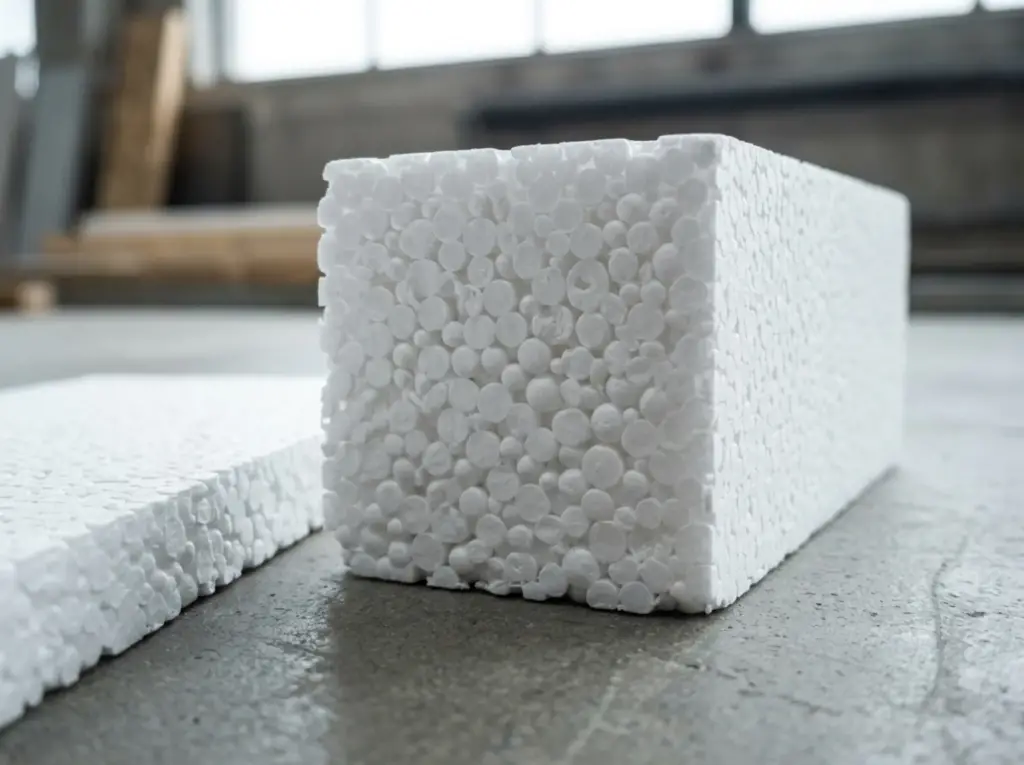
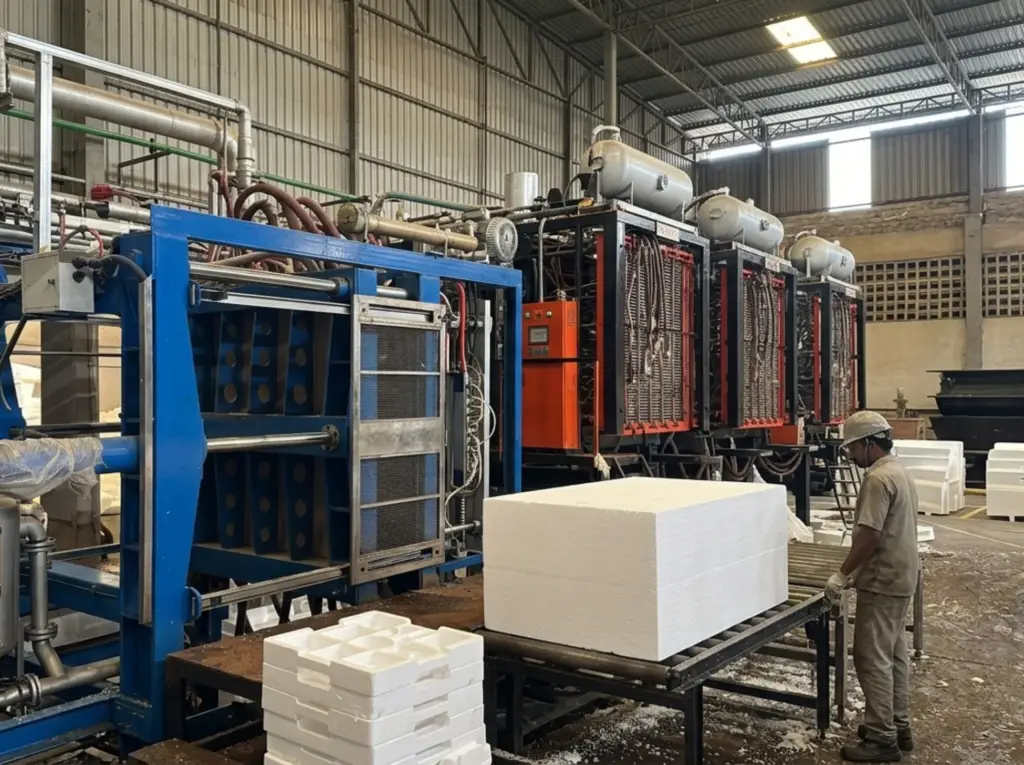
Expandable Polystyrene, known as EPS, is made by expanding small polystyrene beads with steam until they fuse together into a rigid foam block. This is the same material used in thermocol sheets, packaging, and roof insulation across Karachi. EPS is lightweight, cost effective, and widely available, which is why it remains the standard choice for most construction and packaging insulation needs.
What Is XPS?
Extruded Polystyrene, known as XPS, is manufactured differently. Instead of fusing beads together, the polystyrene is melted and extruded through a die in a continuous process, creating a denser, more uniform foam with a closed cell structure. This manufacturing difference is the reason XPS tends to perform better in specific conditions, particularly where moisture exposure is a concern.
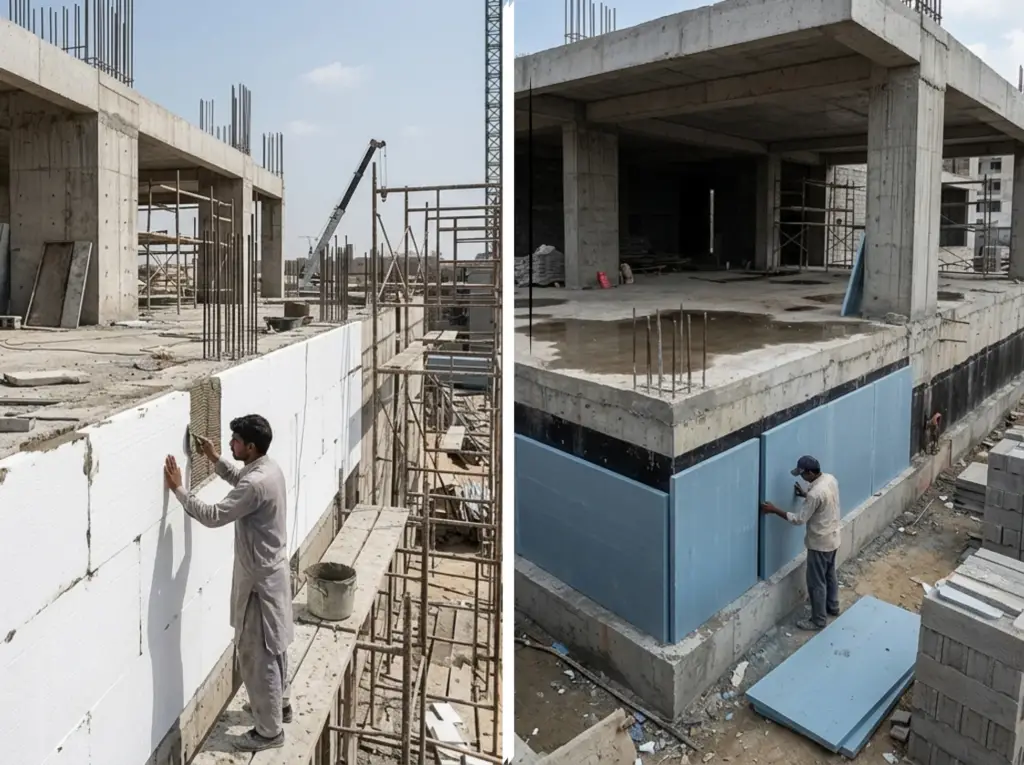
The practical difference for most projects comes down to moisture exposure and budget. XPS holds up better in below grade or consistently damp conditions because of its closed cell structure, while EPS delivers strong insulation performance at a lower cost for applications where moisture is less of a concern.
Which One Should You Choose?
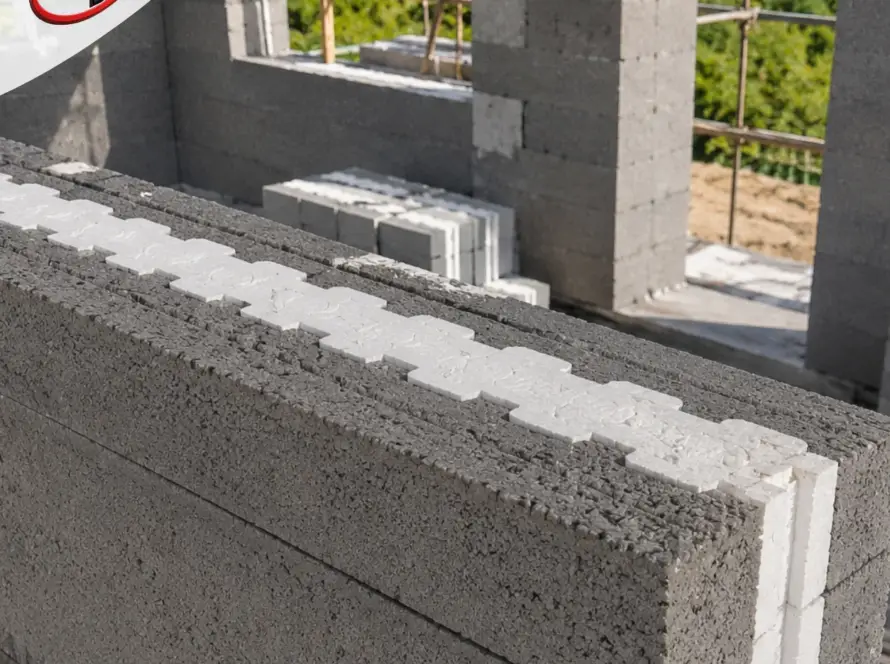
For most construction and packaging needs in Karachi, including roof insulation, cold storage walls, and general building insulation, EPS is the more practical and cost effective choice, and it is what International Thermosole Packaging manufactures directly. If your project involves below grade insulation or an area with sustained moisture exposure, XPS may be worth the added cost. For a closer look at how EPS performs specifically for roofing, see our guide on roof insulation in Karachi, and for wall construction applications, our thermal blocks guide covers how EPS is integrated directly into concrete blockwork.
Frequently Asked Questions (FAQs)
Is XPS better than EPS? Neither is universally better, they serve different purposes. XPS offers higher moisture resistance and compressive strength, while EPS offers strong insulation performance at a lower cost, making it the more practical choice for most general construction and packaging applications.
Can EPS be used in place of XPS? In many applications, yes. EPS is widely used for roof insulation, packaging, and general construction where moisture exposure is limited. For consistently wet or below grade conditions, XPS is generally the safer choice.
Where can I get EPS materials in Karachi? International Thermosole Packaging manufactures Expandable Polystyrene products directly in Karachi, including thermocol sheets and EPS insulation for construction and industrial use. Get in touch for a factory quote based on your project needs.